The Story Behind Uluwatu Kecak Dance
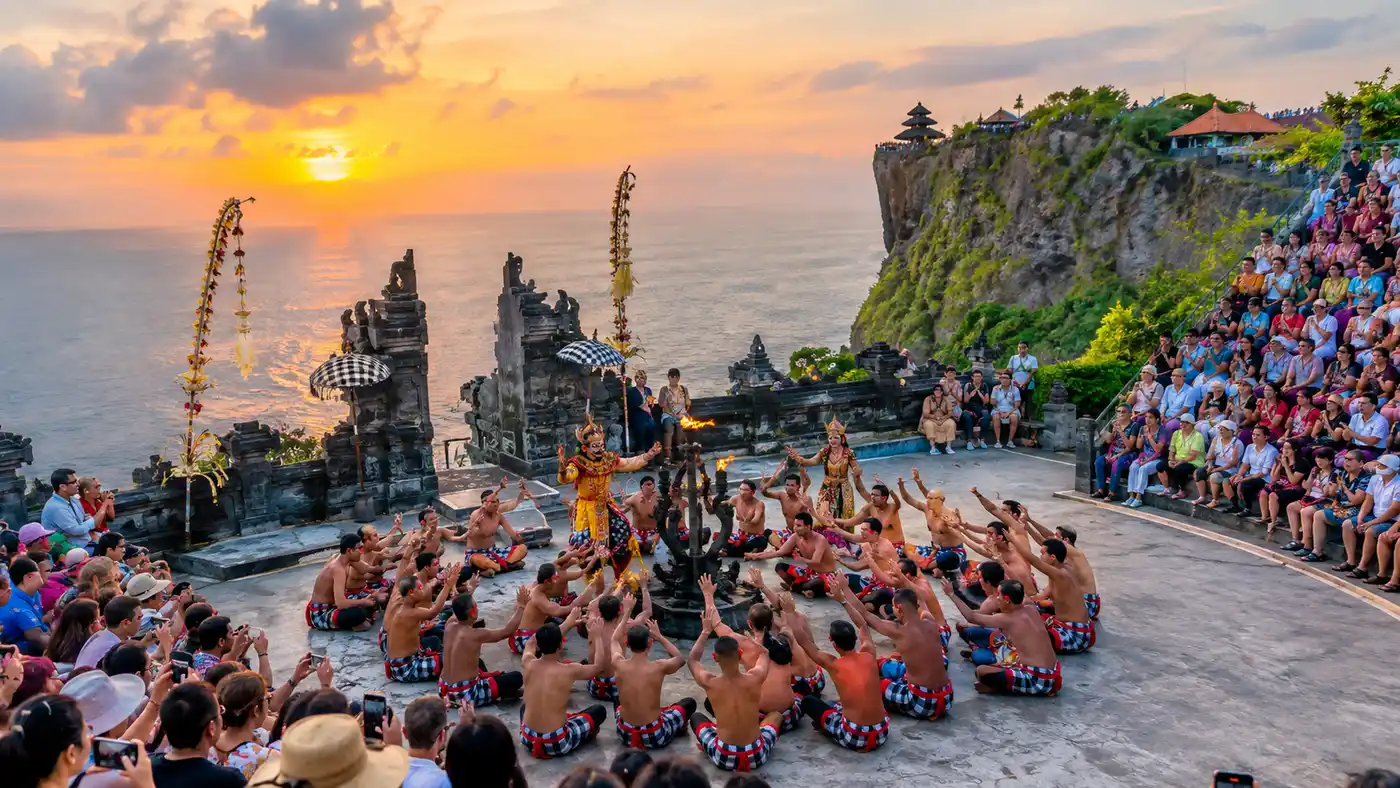
Picture this: a fiery Bali sunset painting the sky, the Indian Ocean crashing against ancient cliffs, and then, a chorus of 100 men begin their rhythmic chant. This is the setting for the famous Kecak dance at Uluwatu Temple, a performance that mesmerizes thousands every evening. But beyond the stunning visuals and hypnotic sounds, there's a deep, ancient narrative unfolding. Understanding the uluwatu temple kecak dance story truly unlocks the magic of what you're seeing.
Most visitors are captivated by the sheer spectacle, the intricate movements, and the unique vocalizations. But knowing the tale makes it so much more meaningful. It transforms a beautiful show into a living piece of Balinese culture and spirituality. We're going to dive into the epic saga that forms the backbone of this unforgettable experience, giving you the context to appreciate every nuanced gesture and every powerful chant.
Book your uluwatu temple kecak dance experience:
The Ramayana - An Epic Foundation for the Kecak Dance
The core of the kecak dance performance at Uluwatu Temple story comes from the Ramayana, an ancient Hindu epic. It's not just a story here in Bali; it's woven into the fabric of daily life, influencing art, religion, and moral teachings. The Ramayana tells of Prince Rama, an incarnation of Vishnu, and his quest to rescue his beloved wife, Sita, from the clutches of the demon king, Ravana.
This saga is incredibly long and complex, full of gods, demons, loyal brothers, and powerful monkey armies. The Kecak dance, sometimes called the "monkey chant" because of the prominent role of Hanuman and his simian soldiers, condenses key parts of this epic into a roughly 70-minute performance. The Balinese interpretation adds its own unique flavor, making it a vibrant cultural expression.
Note: While the Kecak dance focuses on specific parts of the Ramayana, the full epic has many different versions across Southeast Asia. The Balinese rendition, influenced by local traditions, might have slight variations from versions you find in India or Thailand.
Meet the Key Players in the Uluwatu Temple Kecak Dance Story
To fully grasp the drama unfolding on stage, you should really get to know the main characters. They're not just dancers in elaborate costumes; they embody figures deeply revered in Hindu mythology. Their actions drive the entire narrative, each one playing a crucial part in the grand scheme of good versus evil.
Honestly, you'll feel a much stronger connection to the performance if you know who's who. It helps you follow the plot, even without dialogue.
Here's a quick rundown of the central figures you'll encounter:
- Rama: The protagonist, a noble prince, and an incarnation of Vishnu. He is the epitome of virtue and courage, determined to rescue Sita.
- Sita: Rama's devoted wife, known for her purity and resilience. Her abduction sets the entire conflict in motion.
- Lakshmana: Rama's loyal younger brother, who accompanies him into exile and aids him in his quest. He's a steadfast protector.
- Ravana: The antagonist, a powerful ten-headed demon king of Lanka. He abducts Sita, driven by lust and arrogance, leading to the epic battle.
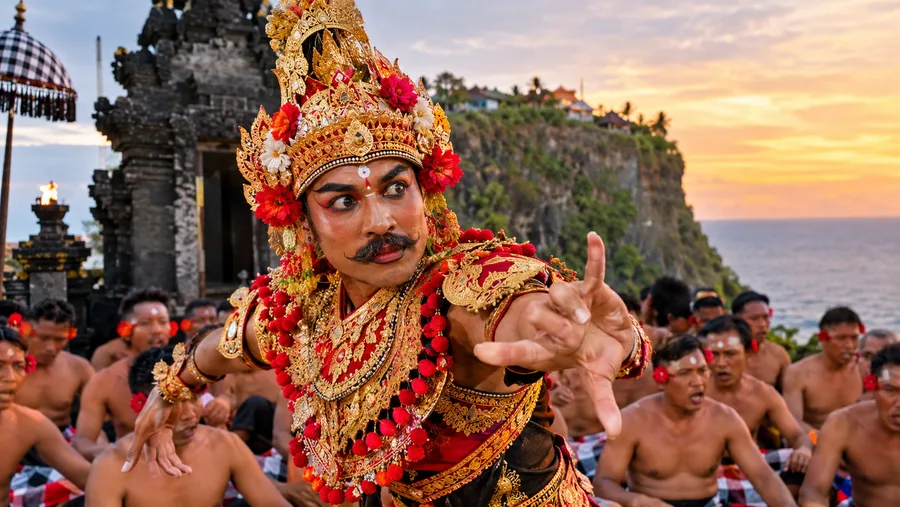
- Hanuman: The white monkey general, son of the Wind God. He is incredibly strong, intelligent, and fiercely loyal to Rama. Hanuman is a pivotal character, often stealing the show with his acrobatic feats and playful demeanor.
- Sugriva: The king of the Vanaras (monkey kingdom), who pledges his army's support to Rama.
Pro tip: Arrive about 40 minutes before the scheduled start time to grab a good seat. You'll want an unobstructed view, especially for Hanuman's antics and the fire dance at the end. Check Uluwatu Temple Kecak Dance Schedule & Time for current timings.
The Abduction and the Monkey Army's Quest
The story kicks off with Rama, Sita, and Lakshmana living in exile in the forest. Ravana, the demon king, hears of Sita's beauty and devises a cunning plan to abduct her. He sends a magical golden deer to lure Rama and Lakshmana away from their hut. Sita, captivated by the deer, asks Rama to catch it for her. When Rama pursues it, the deer leads him far away.
Lakshmana, hearing Rama's cry for help (actually Ravana mimicking Rama's voice), reluctantly leaves Sita, but not before drawing a magical protective circle around her. Ravana, disguised as a holy man, tricks Sita into stepping outside the circle, then seizes her and carries her off to his kingdom of Lanka. Rama and Lakshmana return to find Sita gone, their despair palpable.
Their search for Sita leads them to the monkey kingdom. Here, they forge an alliance with Sugriva, the monkey king, and his general, Hanuman. Hanuman, with his extraordinary powers, leaps across the ocean to Lanka, finds Sita imprisoned in Ravana's palace garden, and delivers Rama's ring as a sign of hope. He causes some serious mischief, setting part of Lanka ablaze, before returning with news of Sita's whereabouts.
Book your uluwatu temple kecak dance experience:
The Grand Battle and Triumphant Return
With Sita's location confirmed, Rama, Lakshmana, and the vast monkey army, led by Hanuman and Sugriva, build a bridge across the sea to Lanka. This is where the real action begins. A colossal battle ensues between Rama's forces and Ravana's demon army. The Kecak dance vividly portrays these clashes, with the "cak cak cak" chant creating a fierce, driving rhythm that mimics the sounds of war.
Hanuman plays a heroic role in these battles, using his strength and agility to fight many demons. The climax of the uluwatu temple kecak dance story is the epic duel between Rama and Ravana. Rama, aided by divine weapons, finally defeats the demon king, ending his tyrannical rule. Sita is freed, and the couple is reunited.
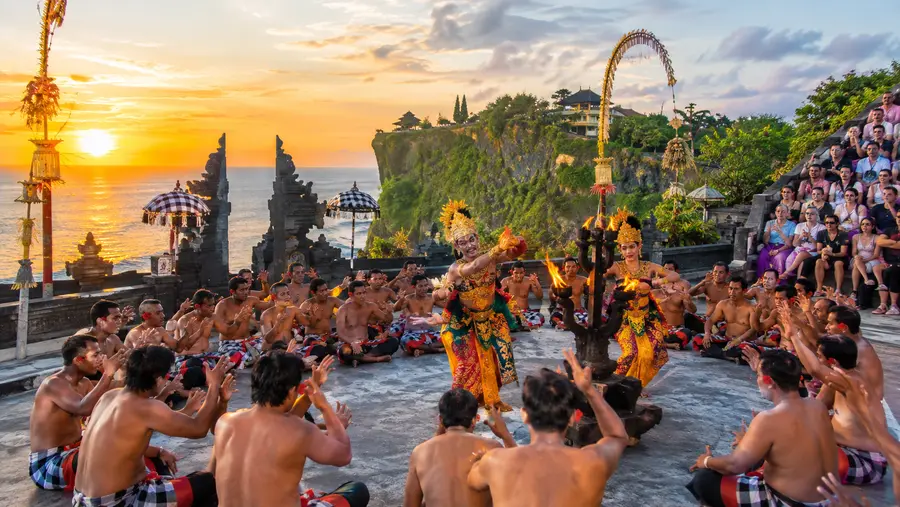
The performance usually culminates in a mesmerizing fire dance, often featuring Hanuman. This segment symbolizes the triumph of good over evil and Sita's purity after her ordeal. It's a powerful visual, honestly, and always leaves a lasting impression. If you are looking for tours that specifically include this sunset view and dance, you can find options on Uluwatu Temple Kecak Dance Tours & Sunset View.
More Than Just a Performance - Cultural Context and Meaning
The Kecak dance is unique because it doesn't use musical instruments. Instead, the rhythmic chanting of the male chorus, often numbering over 100 men, provides the entire soundtrack. They sit in concentric circles, swaying and chanting "cak-cak-cak" in various tempos and tones, creating an almost trance-like atmosphere. This vocal orchestra is the heart of the performance, building suspense, excitement, and emotion.
For the Balinese, this isn't just entertainment. It's a communal ritual, a way to connect with ancient stories and spiritual energies. The dancers, especially those portraying Hanuman or other key figures, often enter a meditative state. It's a powerful expression of their devotion and cultural identity. Many locals truly believe the spirits of the ancestors are present during the dance. It's an experience that transcends mere viewing, inviting you to be part of something ancient and sacred.
If you're planning a trip to Bali, learning about the uluwatu temple kecak dance story before you go will make your visit so much richer. It's one of those things that just sticks with you long after you've left the island, a vibrant memory of a truly special culture.
Frequently Asked Questions about uluwatu temple kecak dance story
What is the main story of the Kecak dance?
The Kecak dance primarily tells the story of Prince Rama's quest to rescue his wife, Sita, from the demon king Ravana, with the crucial help of the monkey general Hanuman.
Why is it called the "monkey chant"?
It's often called the "monkey chant" because the male chorus's rhythmic "cak-cak-cak" sounds mimic the chattering of a monkey army, and Hanuman, the monkey general, is a central and energetic character in the performance.
Is the Kecak dance a religious ceremony or a performance?
It's both. While presented as a performance for tourists, its roots are in ancient Balinese rituals and the Ramayana epic holds deep religious significance for the Hindu Balinese people. Many elements retain a spiritual connection.
Quick Reference
- Source: Ramayana epic
- Main Characters: Rama, Sita, Ravana, Hanuman
- Unique Feature: No instruments, only male chorus chant
- Location: Uluwatu Temple cliffs
- Symbolism: Good triumphs over evil
Book your uluwatu temple kecak dance experience:
My Take on the Uluwatu Kecak Dance Story
Honestly, you just have to see it. Watching the Kecak dance, especially with the sun dipping into the ocean behind the ancient temple, is one of those quintessential Bali moments. But knowing the uluwatu temple kecak dance story beforehand moves it from a pretty show to a deeply moving cultural immersion. You get to follow Rama's unwavering devotion, Sita's resilience, and Hanuman's incredible loyalty. It adds so many layers to the experience, making the rhythmic chants and dramatic movements resonate on a much deeper level. Don't just watch it; understand it. It's absolutely worth the effort.
Read more about uluwatu temple kecak dance.